Pet accidents on carpets and rugs are every pet owner's nightmare. Beyond the unsightly yellow stain, dog and cat urine poses a unique cleaning challenge due to its complex chemical composition. Standard household cleaners often mask odor temporarily, but as humidity rises, the pungent smell returns with a vengeance.
The Science Behind Pet Urine Odors
As urine dries, it breaks down into uric acid crystals. These microscopic crystals are insoluble in water and ordinary soap. On humid days or when heated by sun rays, the crystals reactivate, releasing ammonia gases that draw pets back to re-soil the exact same spot.
Why Ordinary Cleaners Fail on Pet Urine
Most supermarket carpet sprays rely on heavy synthetic fragrances or harsh surfactants that simply cover up smells without dissolving the underlying uric acid salts. Furthermore, over-wetting pet stains with water causes the liquid to sink deep into the carpet underpad and subfloor, spreading the contamination footprint under the carpet backing.
The 3-Step Bio-Enzymatic Protocol for Home Accidents
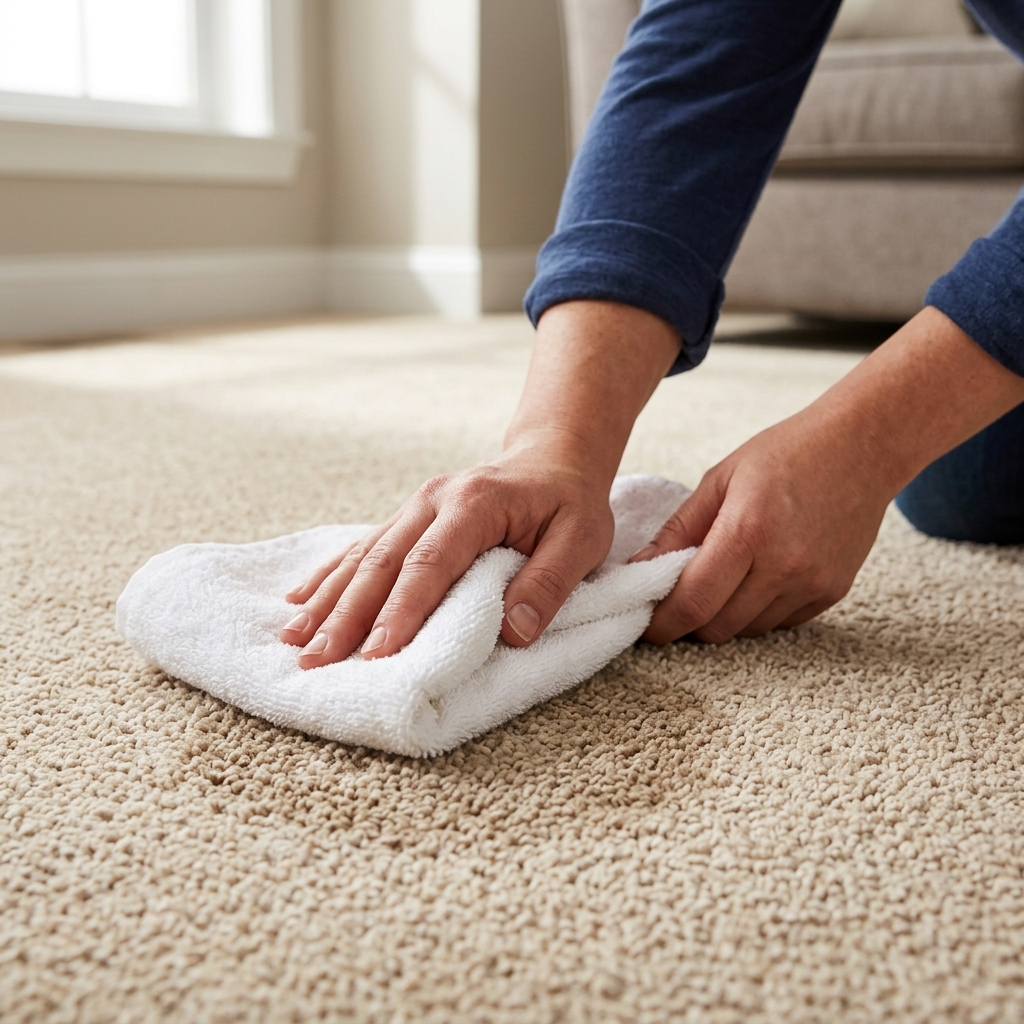
- Blot, Never Rub: Use clean white towels to blot as much liquid as possible immediately after the accident.
- Apply Bio-Enzymatic Treatment: Apply a specialized enzyme formula that biologically digests urea and uric acid into water and carbon dioxide.
- Allow Sufficient Dwell Time: Enzymes need 15-30 minutes of moisture contact time to fully break down organic proteins.
❌ Avoid Steam Ironing or Hot Hairdryers
Never apply direct high dry heat to fresh urine stains without prior sub-surface extraction! Heat bakes proteins directly into synthetic and wool carpet fibers, setting the stain permanently.
Professional Deep Sub-Surface Extraction
For severe or recurring pet accidents, surface treatments cannot reach the underpad. ProVapeur utilizes specialized sub-surface extraction wands connected to high-powered truck-mount units, flushing 200°F bio-enzymatic rinses through the carpet pile and vacuuming 98% of the liquid directly from the pad without untacking your carpet.